00:00:01 - 00:00:20
Speaker 1
I went to England 1967 to go to graduate school, because I didn't think I was going to go on with Steve and Boz and those guys who, were living in San Francisco. But they wound up coming to England to make the first Steve Miller Band record, and I hooked up with them and recorded them and got into the music scene there.
00:00:20 - 00:00:45
Speaker 1
And first of all, I hung out at Olympic Studios, which is where a lot of the early rock records are made. The Who, The Small Faces, I don't know, a bunch of these bands and all these musicians. Pete Townshend, Peter Frampton, they were all interested in New Orleans music that they listened to the Meters.
00:00:45 - 00:01:07
Speaker 1
They were listening to the to the real stuff. They knew it. But when they recorded, they didn't try to be authentic because they weren't American. They weren't from New Orleans. So generally speaking, they took from it and invented, this whole rock and roll world.
00:01:08 - 00:01:37
Speaker 2
Jazz and rock pianist and composer of space cowboy. Ben Sidran joins us for soul country number #8. I'm Ric Stewart, a community radio DJ since 1986 and an award winning filmmaker, adding some real life podcasts to get deeper into soul country time. When we lasso tales from the intersection of countrified R&B and bluesy America. Listen in as we revitalize our cultural roots in Western blues and rise.
00:01:37 - 00:02:05
Speaker 2
Now, a word from our sponsor Ace Productions documentary "Blues Rock Hits Soul Country" is chock full of exclusive performances and interviews from blues and rock, Hall of Famers and Grammy. Check it out. It's soul country icon then details his recordings with Steve Miller, the Rolling Stones and Eric Clapton, as well as hosting shows for NPR and VH-1. And here's how it all went down.
00:02:05 - 00:02:06
Speaker 2
Ben Sidran, welcome to the show.
00:02:07 - 00:02:08
Speaker 1
Thanks, Ric, Pleasure.
00:02:08 - 00:02:20
Speaker 2
So I wanted to start off by recommending everybody to go to your website, which has an impressive collection of your many different projects, from music recordings to books to TV to radio. And tell me about some of that.
00:02:20 - 00:02:49
Speaker 1
Fabulous. Well, the website's just kind of an archive that starts in 1963, when I was playing in a college band with Steve Miller and Boz Skaggs, and there's actually a recording of that band, and it goes up to the present. And along the way there are in the 150 interviews with well-known jazz musicians like Miles Davis and Sonny Rollins, there's, I think, 40 plus albums that you can stream.
00:02:49 - 00:03:02
Speaker 1
There are books access. I mean, it's really, an overview of my experience in the music business
00:03:02 - 00:03:07
Speaker 2
Since you refer to that as an "Athenaeum" Is that just like a summary of everything you did?
00:03:07 - 00:03:08
Speaker 1
Exactly. Right.
00:03:08 - 00:03:10
Speaker 2
Exactly. And that's Bensidran.com.
00:03:11 - 00:03:14
Speaker 2
And did you achieve that with a house full of interns?
00:03:14 - 00:03:34
Speaker 1
You know what? I had, a company here in, Madison, Wisconsin, where I've been living for a long time. Who designed that for me? And I thought it was brilliant. You know, the way it's organized by threads. And so there's a video thread. There's a photo thread, there's a book.
00:03:34 - 00:03:36
Speaker 2
Thread and a timeline. That's the unusual.
00:03:36 - 00:03:40
Speaker 1
Timeline. Yeah. So they came up with that as beautiful design.
00:03:40 - 00:03:46
Speaker 2
Yeah. Neat interface. Easy to figure out where you want to go. Now the TV shows tell me a bit about what you have done with TV.
00:03:46 - 00:04:09
Speaker 1
Well, the one that most people know, was the VH one show New Visions. And it was on Sunday night. It, won the Ace Award. It was on, like 11:00 Sunday night. And so, technically it had no, no viewers because they didn't do, what do they called Arbitron back then at that late at night.
00:04:09 - 00:04:29
Speaker 1
But all the jazz people watched it and knew it. And so that was, for three years. And everybody was on that show as the first, well, I mean, Miles was on it. I'm trying to think, well, even David Byrne was on it. I mean, it could have been anything. Oh, Jesse Hill, do you remember Jesse Hill?
00:04:29 - 00:04:31
Speaker 1
"Ooo Poo Pah Doo" He was on it.
00:04:31 - 00:04:32
Speaker 2
Big legacy guy in New Orleans.
00:04:33 - 00:04:55
Speaker 1
Love Jesse Hill. Yeah. That record, the home of the blues. On the Minit label. I was introduced to it in '63 by Steve Miller. He had that record and it was really obscure at the time, but, that he was into the blues and that was ground level.
00:04:55 - 00:04:59
Speaker 2
Steve was a wide ranging, blues, eclectic guy. Right. And he had known T-Bone Walker growing up.
00:04:59 - 00:05:21
Speaker 1
He knew T-Bone. When I met him, he was listening to all the Jimmy Reed, T-Bone stuff, of course. And, you know, the early rhythm and blues, not rock n roll. He. Well, of course, this was a couple of years before the Beatles, so rock n roll would have been Paul Anka, I suppose back then.
00:05:21 - 00:05:21
Speaker 1
I mean, who.
00:05:21 - 00:05:30
Speaker 2
Who was a couple of. Yeah. Rough moments there. Yeah. Rock. Fabian. Yeah. So the TV shows or any of them available online or in some other way.
00:05:30 - 00:05:55
Speaker 1
Well, if you go to Bensidran.com and there's, a time line at the top of it and there's a stream that says video. And if you click on that, all the videos are up there. And I would say there's a dozen, from the "New Visions" series that are up there. I think there's, one with Wynton (Marsalis) and Marcus Roberts - there are some available up there.
00:05:55 - 00:06:14
Speaker 1
And if you go to YouTube, and type in "New Visions" you'll see a bunch of them. It was kind of a radical show back then because we, I mean, the premise was we were going to show videos, right? It was going to be the adult version of MTV, but there weren't that many videos coming out in jazz or blues...
00:06:14 - 00:06:47
Speaker 1
So, we wound up doing a lot of interviews, you know, to fill it out, and then we'd show whatever videos were available. So the interviews were wild. I mean, there was an interview with Sun Ra, which was fantastic because, you know, you couldn't really give him stage directions. And so instead of having a segment that's five minutes long, you just had a fade to black and come back up, you know, and he's still going, it won the Ace Award because it was so unusual.
00:06:47 - 00:06:50
Speaker 2
Was that contemporary with the David Sanborn Show?
00:06:50 - 00:06:58
Speaker 1
It was. Yeah, just, well, contemporary. And a year before David had his show this started.
00:06:58 - 00:07:02
Speaker 2
Let's talk about, the radio work that you've done as well.
00:07:02 - 00:07:30
Speaker 1
Well, I started working for National Public Radio in, 1980. They, well, they had a show called, "Jazz Alive" and it was on 300 stations around the country, and it was live performances in various locales. And they would send these tapes to Washington, D.C., and the show would put them on the radio. And it was THE jazz radio program at the time.
00:07:30 - 00:07:55
Speaker 1
There wasn't much else at the time. And Billy Taylor had been the host, great piano player. He left to, be on "CBS Sunday Morning." They wanted somebody to replace Billy Taylor, and I think they wanted somebody who had a PhD, and I happen to have a PhD. Because it makes interfacing with the National Endowment easier for the politics of it.
00:07:55 - 00:08:17
Speaker 1
So, they tried me out on a New Year's Eve, 1980, New Year's Eve. They did, a broadcast from each time zone. I was hosting the East Coast. I think Billy was in Chicago. Somebody was in Denver, somebody was in LA. And I had so much fun because I knew a lot of the musicians who I was talking to, and we just had a ball.
00:08:17 - 00:08:47
Speaker 1
So I got hired, because it sounded like fun. And from there, the entire 80s, I was on, NPR. I had, 3 or 4 years with jazz live. And, then I had another show called Citron on record, which was interviews. And, it was, a great time for, radio, particularly public radio in the United States because, it wasn't, trying to compete with commercial radio.
00:08:47 - 00:08:53
Speaker 1
And you had, access to all these wonderful musicians who weren't getting played anywhere else.
00:08:53 - 00:08:57
Speaker 2
No. When you did your "Talking Jazz" series, did that call upon those same interviews?
00:08:57 - 00:09:45
Speaker 1
Yeah. The, "Talking Jazz" went into the archives. So, for example, if there was, you know, 20 minutes of a conversation on the radio with, Art Blakey, on the "Talking Jazz" series, which came out and, and these are available all on Bensidran.com streaming. I went back and did the entire interview. So there's 40 minutes with Art Blakey or something, but those are 100 of those interviews.
00:09:45 - 00:10:03
Speaker 2
I had read also on your website you had an article that was talking about it was 1977 article, and you're mentioning how natural music wasn't around so much in the late 70s versus the earlier 70s. And I'm thinking you're talking about sort of the homogenization of radio and, and the rock business becoming more corporate is. Tell me about that time frame.
00:10:03 - 00:10:05
Speaker 2
As you saw it.
00:10:05 - 00:10:36
Speaker 1
Well, the early 70s were like the 60s, obviously, and in the 60s everybody was playing everything. I mean, that was the whole, esthetic of the times, you know, you'd play James Brown and then you'd play Pharoah Sanders, and then you'd play B.B. King, and then you'd play, you know, Mose Allison or something. Yeah, it would be "Radio Free" was the format radio "Free Nashville" "Radio Free New Orleans" whatever.
00:10:36 - 00:11:14
Speaker 1
And, San Francisco was very important in developing Tom Donahue. Tom Donahue. Exactly. And so the early 70s was really free form. And it was the same thing in the record business where the record industry had just been, educated by the young rock and roll fans. Up until then, it was very corporate. I mean, if you recorded, for example, for CBS Records in New York, and you were a long haired rock and roll band, the, recording engineers, they were all wearing white gloves and white lab coats, and it was very clinical.
00:11:14 - 00:11:46
Speaker 1
And it was a real, disconnect. But by the early 70s, you know, the inmates had taken over the asylum, and it was wild. But that abruptly ended, I think, more or less, when disco came in, because disco was easy to manufacture and it became a corporate thing right away. And, and the formats, everything got tightened up because the money went from millions of dollars to billions of dollars.
00:11:46 - 00:12:08
Speaker 1
And, you know, money leads whatever business it is. And it certainly changed, the music business. When I started, I recorded for a little label called Blue Thumb, which is great label. You know, they had the Pointer Sisters and Dave Mason and, I mean, it was eclectic, free flowing. If you had a musical idea.
00:12:08 - 00:12:40
Speaker 1
Well, go out and do it and bring it here. That ended abruptly around '75. The bigger companies swallowed up the little companies, and they weren't going to take any chances.
00:12:40 - 00:13:02
Speaker 1
Just as an aside, it was very interesting, the influence of the British rock and roll bands. When you talk about the who or whatever they were very interested in theatrics because in England there was a big musical tradition, which was pure entertainment. It was theatrical. I like the Rolling Stones, for example. They presented themselves as street fighting men at the time.
00:13:02 - 00:13:37
Speaker 1
Well, they they weren't street fighting men. Mick Jagger was a college student, you know, but that was the presentation. And that was foreign in the United States. Everybody was supposed to believe that. That's, you know, that that music was about authenticity. But, the British proved, no music as an act and were selling something bigger than just the songs were selling this whole idea of, you can live these outrageous lives, and we we owe that to the Brits.
00:13:37 - 00:13:47
Speaker 2
Yeah. Very ambitious. And that was becoming theatrical. Plus movie making and heavy rock opera. It's soluble in the Broadway into film.
00:13:47 - 00:13:48
Speaker 1
Absolutely.
00:13:48 - 00:13:54
Speaker 2
Was some of that just Pete Townshend or whatever? But, I mean, some of it was like everybody was trying to have a concept album ready at the time.
00:13:54 - 00:14:14
Speaker 1
Oh man. After "Sergeant Pepper" that was the end of that. I went to England 1967 to, go to graduate school because I didn't think I was going to go on with Steve and Boz and those guys who were living in San Francisco. But they wound up coming to England to make the first Steve Miller Band record.
00:14:14 - 00:14:46
Speaker 1
And I hooked up with them, recorded and got into the music scene there. And first of all, what I, I hung out at Olympic Studios, which is where a lot of the early rock records are made. The Who and, Small Faces, I don't know, a bunch of these bands and all these musicians. Pete Townshend, Peter Frampton, they were all interested in New Orleans music that they listening to The Meters, they were listening to the to the real stuff.
00:14:46 - 00:15:09
Speaker 1
They knew it. And, but when they recorded, they didn't try to be authentic because they weren't American. They weren't from New Orleans. So generally speaking, they took from it and invented, this whole rock and roll world. This image I remember at one point I was with the engineer, Glynn Johns, and I was complaining about this.
00:15:09 - 00:15:42
Speaker 1
I was saying, you know rock n roll is selling out. It's not a it's not real anymore. It's all about money. And Glynn said to me, "Well, what's wrong with that?" And I realized that in England, making money was the point. I mean, it was a business. It wasn't about I mean, we were thinking, I'm Steve Miller early on, when he was in Chicago playing the Chicago blues with those guys, he was trying to get as close as he could to the authentic stuff.
00:15:42 - 00:15:53
Speaker 1
So there was a real split in the objective, I guess, of the rock n roll in in Europe and in the States.
00:15:53 - 00:16:00
Speaker 2
Yeah, that's an interesting point. You know, I, I've interviewed a few of the British guys, and one of them was this, this fellow named Courtney Pine.
00:16:00 - 00:16:00
Speaker 1
He's been I know.
00:16:00 - 00:16:20
Speaker 2
Courtney knighted twice. And I asked him about, getting music that's coming from overseas and how you relate to that as, like, an English guy. And he's like, well, you're always taking music from another territory, right? Redesigning it for your right. Right. Which I thought was an interesting way to put it. But it was true that they couldn't really imitate it directly head on.
00:16:20 - 00:16:29
Speaker 2
Maybe the stones were the closest, probably on some of their like acoustic. Yeah, yeah, breakouts or whatever. But they didn't stay there. They had that they knew they had to move to original composition was one of them. Right.
00:16:29 - 00:16:59
Speaker 1
Well that that was the huge breakthrough, which of course, Bob Dylan really, changed, the landscape by, really making it, a necessity for you to write your own music. Up until then, professional songwriters wrote hit songs. And after Bob Dylan, everybody had to write their own songs. It just, was not even an option, because, frankly, that's where the money was in the publishing.
00:16:59 - 00:17:03
Speaker 2
So, you arrive in England, that was 67, you.
00:17:03 - 00:17:04
Speaker 1
67.
00:17:04 - 00:17:11
Speaker 2
And then you, it got to be a session guy as well. Right? So tell me a little bit about some of your more well remembered sessions.
00:17:11 - 00:17:34
Speaker 1
Oh, well, the one with The Rolling Stones, I guess because it was The Stones, I didn't really, belong playing piano with the stones. That's not who I was. I was a bebop jazz piano player originally. But Glynn Johns was the engineer and the producer of the stones. And I was living in Brighton, which is an hour south of London.
00:17:34 - 00:17:55
Speaker 1
And, I was hanging out with , who lived in Sussex, which is, south of London. And, he would call me up to, to play on sessions. And one day he called me up and said, listen, session tonight if you can make it, on the way up to London, can you stop and pick up, Charlie?
00:17:55 - 00:18:13
Speaker 1
Charlie Watts lived in Sussex also, so I had a car. Charlie didn't drive. I went to Charlie's house. I picked him up. He's listening to Miles Davis. I said to him, oh, Charlie. Man, it's so great to hear you listening to jazz, because I got to be honest with you, I don't listen to The Stones very often.
00:18:13 - 00:18:40
Speaker 1
He said, that's all right, mate. Neither do we. And so we got to London. We got into Olympic Studios. There was Mick sitting at the piano, playing kind of an interesting ballad, and I said to him, "hey, is that what we're going to record today?" He said, "no, man, I'm just fooling around with this." And an hour later we were lined up the actual Stones with me on a Wurlitzer piano, playing the same three chords over and over again for six hours.
00:18:40 - 00:18:48
Speaker 1
Just mind numbing. And, so it wasn't notable for its musical value, but it was notable.
00:18:48 - 00:18:51
Speaker 2
Was that a song that eventually came out or a record that eventually came out?
00:18:51 - 00:19:04
Speaker 1
Well, I've often wondered. It was while they were recording the "Beggars Banquet" album. So, maybe the track showed up somewhere. I never recognized.
00:19:04 - 00:19:09
Speaker 2
It. You know, they were retrenching then after their psychedelic. Yeah, exactly. So did they have keys on that?
00:19:09 - 00:19:10
Speaker 1
No, it's just me.
00:19:10 - 00:19:11
Speaker 2
Yeah. Because they so often had,
00:19:11 - 00:19:11
Speaker 1
And Nicky.
00:19:11 - 00:19:14
Speaker 2
Hopkins. Nicky Hopkins is available, and Ian Stewart was on the list.
00:19:14 - 00:19:40
Speaker 1
Yes. Yeah. Yeah. Nicky, was brilliant. He was a brilliant musician. He raised rock and roll piano to a high art. I mean, no kidding, because he played, like an orchestrator or like an arranger, but yet he didn't abandon the actual blues voicings and sounds. So he had the authentic sound, but he understood he was making a record.
00:19:40 - 00:19:41
Speaker 1
You know.
00:19:41 - 00:19:54
Speaker 2
We always enjoyed him as a player. I was, I just read the Glynn Johns, autobiography. Oh, yeah. Man. Yeah. Pete Townshend talked about Inviting Nicky Hopkins to join The Who, but you didn't want to take it up. Yeah, but he did go to San Francisco and kind of record with.
00:19:54 - 00:19:55
Speaker 1
Oh, he recorded it everywhere.
00:19:55 - 00:19:57
Speaker 2
Yeah, yeah, he was a free agent. I guess he.
00:19:57 - 00:20:02
Speaker 1
Was a free agent. Here's a he. He was a free range kind of guy.
00:20:02 - 00:20:07
Speaker 2
So, other things you remember about the British scene of that late 60s?
00:20:07 - 00:20:28
Speaker 1
Yeah, it was great. It was, you know, Kings Road with all the fashion shops. And there were these private clubs I remember going into. Oh, I forget the name of the club now. I walked in with Steve, Miller and there was Jimi Hendrix sitting, in a booth with with some women. And Steve went up to Jimi.
00:20:28 - 00:20:46
Speaker 1
And at the time, Steve was thinking about having a, change in the band to a trio because the Jimi Hendrix had the power trio. And I remember he was talking to Steve, was talking to Hendrix about, man, "I want to do what you're doing" and it was it was really a fertile time.
00:20:46 - 00:21:03
Speaker 1
People were hanging out. It wasn't such big business then. That was the main thing. People were still hanging out. You could talk to people. You could, you know, see them in the real world as opposed to behind security and stuff.
00:21:03 - 00:21:06
Speaker 2
And then you ran into Clapton there, too. Did you do sessions that.
00:21:06 - 00:21:35
Speaker 1
Was on a session? Yeah, I would if the session was for, an American guitar player named Jesse Ed Davis from Oklahoma and I was playing on Jesse's record at Olympic Studios. He came over there. Oh. He was with Taj Mahal at the time. I think that's how he got there. But, so I'm on his session, and Clapton was on the session, so I worked with Eric, but it was on a Jesse Ed Davis.
00:21:35 - 00:21:44
Speaker 2
Yeah. Jesse Davis is one of the most well-regarded session guys. And, yes, we had one, 2 or 3 albums out on Atlantic. And I just got the one that has "Red Dirt Boogie Brother" on it.
00:21:44 - 00:21:56
Speaker 1
Was I'm on that. That's me. I was in Ed's band for, a couple of years and we played up in Seattle and we played all over it. It was it was wild. He was the real deal.
00:21:56 - 00:21:59
Speaker 2"
And what about when they did the "Rock and Roll Circus? Were you in the throng.
00:21:59 - 00:22:21
Speaker 1
I'm not you know, I was not part of that. The, I like I say, you know, it was business was changing so fast that it went from, you know, a bunch of musicians hanging out, making records. I mean, Glynn Johns was really responsible for that for a lot of that sound, you know, The Who. And he made those records.
00:22:21 - 00:22:50
Speaker 1
The Stones he made. Those are. He's the engineer on the Beatles. "Let It Be," "Get Back" all that stuff, they were very small and, then it blew up. And, you know, there's something that happens when large money enters any arena, and that is, it separates the people who are doing it from one another. I mean, it happened in jazz, too, where Herbie Hancock suddenly broke out with kind of, MTV video ("Rockit") and stuff.
00:22:50 - 00:22:55
Speaker 1
And suddenly Herbie Hancock was kind of out of the pool. He was at another level than the other jazz players.
00:22:55 - 00:22:57
Speaker 2
And Miles had "Bitches Brew" got that right.
00:22:57 - 00:23:12
Speaker 1
Yeah. So, the, the recording scene went from a really intimate thing with people hanging out to, well, like The Stones would go to Barbados to record or South of France to record.
00:23:12 - 00:23:24
Speaker 2
Yeah. They had a they had a very tight sort of collaboration creative project that spans time. It was never as dynamic as some other bands to take the biggest chances, but they always managed to make a variation of whatever they'd done.
00:23:24 - 00:23:25
Speaker 1
That's a good way to do.
00:23:25 - 00:23:31
Speaker 2
It wasn't repetitive, but it was done wide ranging, like The Who might have been more dynamic with the synthesizers.
00:23:31 - 00:23:53
Speaker 1
And of course, Charlie was a jazz guy. He invented that style of of drumming where he would lift up, the stick in a particular way. So he would create kind of a pocket. He would let the pocket breathe. And that's because he wasn't beholden to the old, blues drum format. He brought some jazz stuff in there.
00:23:53 - 00:24:05
Speaker 1
And so The Stones really did. While they were completely committed to the American blues, they found ways to open it up. And like you say, make it their own. Whatever they did, it sounded like The Stones.
00:24:05 - 00:24:15
Speaker 2
Yeah, Keith will say that, too. And his his commentaries will say we "Stones-ized it" Yeah. What if you were getting into the business today, or you're giving advice to a 15 year old? What do you tell them on getting into the business?
00:24:15 - 00:24:44
Speaker 1
Well, there isn't a business in the sense that there was a business which was, there was a path where, you got to band together, you went out and you played some gigs. You developed the following. You did a demo, you shopped it around, you got an attorney, you got an A manager, maybe, you got lucky somewhere, and, then you got on a tour with, a bigger act, and, that road is is pretty much gone now.
00:24:44 - 00:25:07
Speaker 1
Because if you look at what's happening there, only 3 or 4 record companies anymore, the huge ones, we're not selling any product today. I mean, you can sell a CD on a gig, but, everything is streamed. And if you're just starting out and you're not represented by one of the major labels, you get nothing from the streams, the money you get.
00:25:07 - 00:25:30
Speaker 1
So if you're 15 years old and you're thinking about getting into music, the first thing I would say to you is write your own songs. Work as hard as you can of being a songwriter, because that's the only place where you can get paid. If somebody records your song, or if you get lucky and your song does well, chances are you're not going to see royalties from the record sales because there are no record sales.
00:25:30 - 00:26:05
Speaker 1
But you will see publishing royalties. So that's number one. And number two, you know, have a, have a plan B, because the chances of being successful and by successful I mean, not having a, a different day job, I mean, a successful musician, I guess, is somebody who can play music and make a living. The odds of doing that are really getting smaller and smaller because it's expensive.
00:26:05 - 00:26:07
Speaker 1
Now. I mean, you're.
00:26:07 - 00:26:09
Speaker 2
Just the cost of establishing a brand.
00:26:09 - 00:26:10
Speaker 1
It's it's just exactly right.
00:26:10 - 00:26:15
Speaker 2
You can't become Elton John too easily. He was doing that when there was less, you know, competition.
00:26:15 - 00:26:36
Speaker 1
Not only that, but, you know, people were paying $50 a month to rent an apartment then, you know, so you could play a gig, make 50 bucks. And there was your rent. Now, your apartment in New York is going to cost you $4,000, and you're not going to cover that playing plan. Local gigs.
00:26:36 - 00:26:41
Speaker 2
Well, let's talk about how you got started just playing music in the house. And what was you listening to beginning.
00:26:41 - 00:27:06
Speaker 1
Oh, it's a kid. Somehow when I was like 12 years old I was introduced to a piano player named Horace Silver. Great jazz piano player. And I really just fell in love with this band. And, it was they had a trumpet player named Blue Mitchell, and I loved his sound. And I started collecting, his records by collecting.
00:27:06 - 00:27:25
Speaker 1
I maybe had three of them, but I was listening to this music, this Horace Silver stuff, like, like I was, up in Alaska, huddled around a fire. That's what I my memory was like. I was just so,
00:27:25 - 00:27:42
Speaker 1
It just drew me in. It completely sucked me in. And, that was it. That was the start. And then I found Miles Davis kind of blue, and I found all these other records, and, I was just playing, you know, there was no. I grew up in Racine, Wisconsin. There was no outlet for it.
00:27:42 - 00:27:45
Speaker 2
You taken like, piano lessons when you were I.
00:27:45 - 00:28:15
Speaker 1
Well, I took some piano lessons when I was 14, 15, 16 from a nice teacher. But a lot of what I play, particularly when I, I got hung up on boogie woogie piano because the Chicago guys like Freddy Slack and, well, you know, Meade Lux Lewis, Albert Ammons, the idea of boogie woogie piano, I love I loved it because your left hand was like a rhythm section, and a lot of it is motor memory.
00:28:15 - 00:28:37
Speaker 1
You know, you sit there like Professor Longhair, and a lot of it is pattern playing and, just rearranging. And so it just takes hours and hours and hours of doing that. And I had nothing but time when I was 12 years old, 13 years old. So I got hung up playing boogie woogie. I didn't even know it was the blues then, because I had never heard of the blues.
00:28:37 - 00:29:04
Speaker 1
I just like that. And then later on, when I, hooked up with Steve and those guys and they introduced me to the wellspring of Blues, I was right there because I had been listening not just to jazz versions of the blues, like Art Blakey and Horace Silver, which were really funky and really authentic and Ray Charles, of course, but, because it felt good.
00:29:04 - 00:29:16
Speaker 1
The thing about boogie woogie and the early blues back in the 60s, it felt so good to play it. That's what it was all about. And,
00:29:16 - 00:29:32
Speaker 2
A lot of the names for the categories of the subdivisions of the genres are very sort of happenstance. Boogie woogie was tons of rhythm and it was blues. But then later on, the jazz called things rhythm and blues. You know, it was like the blues, right? Always had the chugging rhythm was kind of like a signature of the acoustic guitar blues.
00:29:32 - 00:29:54
Speaker 1
Yeah. And what it is, is technically it's a dotted eighth note, right? A dotted eighth note. To explain it is an eighth note is like, so if you have one, two, three, four and an eighth note is one, two, three, four, five, six, seven, eight one to okay. But a dotted eighth note is a bump, bump, bump.
00:29:54 - 00:30:27
Speaker 1
Write short long short long short long. And that is the same rhythm that the human heartbeat said. Short long, short, long. So the real blues rhythm pattern is just I mean, it came out of the the fields. I mean, it was just the most organic thing ever. The blues was totally related to the human experience. Right. So, once you slipped into that feeling it and playing as it's called, a shuffle, right?
00:30:27 - 00:30:48
Speaker 1
A shuffle is at the heart of rock and roll. It's at the heart of, rhythm and blues. Once you slipped into that feeling, you really found that kind of a magical thing. And, it moved people very simply. That rhythm moved a lot of people. That's really what rock n roll was about. It made kids feel something.
00:30:48 - 00:30:53
Speaker 1
You know? You didn't feel that with Paul Anka, but you felt it with Ray Charles.
00:30:53 - 00:31:08
Speaker 2
And all these things had their earlier like premonition or the pre shockwave. There was the jazz craze of the 20s or there was New Orleans and its sophistication stuff. But the people who were in the fields weren't there yet. New Orleans was happening in 1650 or whatever.
00:31:08 - 00:31:35
Speaker 1
But in the music business happened in New York first. Really? The music happened in the South a lot, although there were, you know, stride piano players, which was kind of a pre boogie woogie format, maybe, very sophisticated. That was in New York. But obviously the main influence for the music we're talking about is, is.
00:31:35 - 00:31:49
Speaker 2
When you read, you know, these guys own words, Miles Davis and Duke Ellington, they're their prayer mats are facing New Orleans. They're all these looking at, you know, maybe it doesn't like the personality of Louis Armstrong, but Miles Davis is sure as heck listening to what he's doing with the trumpet and imitating, the pieces.
00:31:49 - 00:31:50
Speaker 1
Absolutely.
00:31:50 - 00:31:54
Speaker 2
So everybody's taking apart the pieces of what was already there and just kind of reassemble that.
00:31:55 - 00:32:19
Speaker 1
In New Orleans, they learn to speak a language for the first time. That musical language was invented. Max Roach, the drummer once said, that's why it's the this music is, the most American kind of music there is because, you know, just look at a drum set. You have a cymbal. It's from Turkey. You have, a snare drum that's from French marching music.
00:32:19 - 00:32:34
Speaker 1
There's a, a tom tom from Africa. You have all these different pieces from all over, and they come together and they coalesce into this sound. And, well, that was Congo Square, and that was that early experience.
00:32:34 - 00:33:03
Speaker 2
And the one group you can't really leave out the Native Americans. Yeah, absolutely. They were holding down Congo Square as a holy space before, you know, the white settler shows up.
00:33:03 - 00:33:15
Speaker 2
Clint Eastwood is famous for saying the America only contributed two original art forms, the Western and jazz. I tend to reinterpret this toward the blues a bit, but how do you see all that?
00:33:15 - 00:33:51
Speaker 1
Well, clearly jazz is one of America's greatest contributions. I mean, it's all over the world now. And by jazz, I think of blues as, being essential to jazz and being the mother ship and it's moved so much history. The music business, but the sound of the music, the way it carries freedom with it and personal expression and good feeling and bad times.
00:33:51 - 00:34:06
Speaker 1
That's what swept the world. And, you know, during World War Two, even German soldiers were hiding out listening to Louis Armstrong records. So, yes, jazz and the Western, of course. Yeah.
00:34:06 - 00:34:13
Speaker 2
When you were a kid, I mean, that was more of the tapestry of the whole society was the Western myth and tableau.
00:34:13 - 00:34:20
Speaker 1
The Lone Ranger man. You know, we all watched, Westerns was the action. That's where it was.
00:34:20 - 00:34:22
Speaker 2
Then they had the singing cowboys.
00:34:22 - 00:34:22
Speaker 1
And the, you know.
00:34:22 - 00:34:25
Speaker 2
Gene Autry Yeah. So you knew some of that stuff.
00:34:25 - 00:34:25
Speaker 1
Oh, I absolutely.
00:34:25 - 00:34:27
Speaker 2
Could not know it right at the time.
00:34:27 - 00:34:37
Speaker 1
Autry was really okay. We used to watch his TV show. He was had a TV show and he would sing every now and then. So did, Roy Rogers, Roy Rogers and Dale Evans. Yeah.
00:34:37 - 00:34:53
Speaker 2
The, I just was at a T-Bone Burnett show, and he's from Fort Worth, Texas. Expect him to be kind of into it, but he was like talking about his, you know, emulation of Gene Autry, at the beginning of time. And he's listening. He's five years old or whatever. Absolutely. Is part of that that from if you're from that generation.
00:34:53 - 00:34:55
Speaker 1
In the 50s, that's all there was for kids. Really?
00:34:55 - 00:34:59
Speaker 2
Yeah. It was like cowboys and Indians, I guess was the. Yeah. Like a thing you'd play in the yard with your outfits?
00:34:59 - 00:35:20
Speaker 1
Absolutely. With your outfits. Right.
00:35:20 - 00:35:31
Speaker 2
We talked about Steely Dan in your book. You talk about the Immaculate groove, and Jerry Wexler was kind of aiming at the same target when he has "Rocksteady" and some of that stuff. Tell me a little about the immaculate groove.
00:35:31 - 00:35:55
Speaker 1
Well, the immaculate groove, is, a child of the record business because, you know, when you're capturing music, when you go out into the world and set up microphones and record a band somewhere, you get, all the grit, you get all the mistakes, and you don't think of them as mistakes. They're just part of the music, and it's great.
00:35:55 - 00:36:23
Speaker 1
It can feel good. But when you go into a recording studio, everything stands out and your attention is drawn away. So you start, especially since multi-track recording, you start to, do it over, do it right, do it correctly. And so there was this whole time when people would fix everything just because they could, and the music wasn't so interesting, but the techniques got more sophisticated.
00:36:23 - 00:36:56
Speaker 1
And then gradually people started combining both of these things, the manufactured and the captured way. And so the immaculate groove, when it comes to Steely Dan, if you listen to a Steely Dan record, every piece that's on that record is in a place that feels great, that works with every other piece. And you can't think of how to make something better on a Steely Dan record.
00:36:56 - 00:36:57
Speaker 2
They ironed out all the wrinkles.
00:36:57 - 00:37:26
Speaker 1
It's all gone. Yeah, but it still feels great. Jerry Wexler with the Aretha Franklin sessions, the soul 69 and that stuff. Those were just great players. I mean, it's like, you know, Steve Cropper and Booker T and those guys, they were great players, but they had enough, experience and respect for each other to leave space.
00:37:26 - 00:37:42
Speaker 1
And that's really what ultimately makes a groove work. The space, not what you fill it up with, but how the pieces work together. And so the record business created the ability to do this to music.
00:37:42 - 00:37:48
Speaker 2
How do you contrast the Donald Fagen solo albums? Are they different, or is it really just a continuation of his same?
00:37:48 - 00:38:16
Speaker 1
Well, it's it's you know, that's interesting because I think, they're they're very much and in the tradition of Steely Dan, the Donald Fagen records, they're, you know, the you miss some of the, Walter Becker input, because, his writing, you can, tell his narratives from Fagen sometimes.
00:38:16 - 00:38:26
Speaker 2
Clint Eastwood, he did play some jazz himself. He's in the Martin Scorsese series and in the Westerns themselves. They have the honky tonk piano guy in the corner.
00:38:26 - 00:38:26
Speaker 1
Yeah.
00:38:26 - 00:38:41
Speaker 2
And Allen Toussaint brought that up to me. I was asking that, like, where did you get your particular style from? He was like, you know, I was listening to everything. Sometimes it was in a Western and the guy playing in the corner. Yeah. And that that honky tonk thing. Did that carry on from. It's obviously made for movies in a lot of cases.
00:38:41 - 00:38:41
Speaker 2
You know.
00:38:41 - 00:39:11
Speaker 1
There's Hoagy Carmichael, the Midwestern jazz piano player, you know, who's sitting in the in the foreground is, you know the hero and all that stuff. And in the background, as a piano player, we had a cigarette hanging out, just being part of the scene, witnessing the scene following what's going on. But the message that was being sent to everybody was that the piano player is part of the action.
00:39:11 - 00:39:39
Speaker 1
You know, the honky tonk guy was part of the action. Music was part of the action. It wasn't just some diversion, but it was, integral to the life, that was going on that was being shown to you. And, well, in my case, it was Hoagy Carmichael. That really influenced me when you saw a piano player sit there and maybe sing a song.
00:39:39 - 00:39:50
Speaker 1
And he didn't have the greatest voice in the world, but he sounded like himself, and there was a sophistication and kind of a nostalgia to it, and that was very attractive.
00:39:50 - 00:39:52
Speaker 2
And when Ray Charles does "Georgia on My Mind."
00:39:52 - 00:39:53
Speaker 1
Oh my God.
00:39:53 - 00:40:02
Speaker 2
That became one of just the biggest things ever. So Ray kind of goes country when he has the chance to when he hits his own record imprint. Right. And a lot of the black artists were like that. They were looking for the opportunity to cut a country album.
00:40:02 - 00:40:07
Speaker 1
I just, heard it interview with, the singer from Hootie and the Blowfish.
00:40:08 - 00:40:08
Speaker 2
Darius Rucker.
00:40:08 - 00:40:16
Speaker 1
Yeah. And, he has, solo records now that are huge country records. And he grew up that way.
00:40:16 - 00:40:24
Speaker 2
We talked about the Western concept. Now, one of the songs you're best known for is "Space Cowboy" Tell me how that came into being.
00:40:24 - 00:40:51
Speaker 1
"Space Cowboy" was written in 20 minutes. We were in a recording studio in San Francisco with Steve Miller Band, and, Glynn Johns was producing it. I had just flown in. They'd been working on the record for a few days, and I came in and I walked into the, the studio and they were just about to cut this track.
00:40:51 - 00:41:12
Speaker 1
And I went in and I started to play, electronic keyboard and one of the things in the original, "Space Cowboy" was there's a break, there's an instrumental break in the middle of it, and I slipped in Dizzy Gillespie's "Birks Works" in that space, and nobody knew what it was. I just said, "hey, I got an idea" and I played that.
00:41:12 - 00:41:54
Speaker 1
I was kind of proud of that. But it wasn't a song. It was, a rhythm pattern that suggested, the Beatles, Lady Madonna, sort of. And, so Glynn said to Steve and myself, you go back to the hotel and write some lyrics because that's we're going to make a song here. So Steve and I went back to the hotel and I suggested, you know, since we're doing a homage to the Beatles anyway, let's say, you know, what did the Beatles say?
00:41:54 - 00:42:23
Speaker 1
"I am the walrus," "The walrus is Paul" and they're all self-referential. Why don't we say I told you about "Livein' in the USA" That was one of his songs, you know, on "The Gangster of Love" Steve had, by then been identified with the Johnny Guitar Watson. And so I just started throwing out lyrics. We were writing the song, and I got to the part at the end of the verse, and Steve looked at me and said, "Because I'm a space cowboy."
00:42:23 - 00:42:49
Speaker 1
I said, "what?" He said, "I bet you weren't ready for that." And that. I said, "that's the song. That's right where the song is. We're doing that." And so I don't know where Steve got the image, but I suspect it was Johnny Guitar Watson because Johnny did some I mean, he was always the gangster, the cowboy, but he did something at that point space referenced or, I don't know exactly.
00:42:49 - 00:42:49
Speaker 1
But it's.
00:42:49 - 00:42:52
Speaker 2
Base was on everybody's brain at that point because there was NASA and there was the.
00:42:52 - 00:42:54
Speaker 1
You know, the moon landing. And of course.
00:42:54 - 00:42:55
Speaker 2
Coming up, I guess at that point.
00:42:55 - 00:43:22
Speaker 1
Yeah. But, I don't know where the term came from, but the, the two words space cowboy together, just, that was it. You know, it was so simple. And at the time, it's such a new image. Well, you still see it in cartoons and stuff. Space cowboy, the space cowboy that. Anyway, that's how the original Space Cowboy got written.
00:43:22 - 00:43:25
Speaker 1
It was just, it was kind of a joke.
00:43:25 - 00:43:37
Speaker 2
The story, I think, came out many years later where, Gene Roddenberry was pitching Star Trek to the TV execs, and he said, it's like a space western, you know, like, like it was. I mean, everybody's like Westerns on their screen to at that point I was like.
00:43:37 - 00:43:53
Speaker 1
Well, Steve's from Dallas, Texas. You couldn't miss it. He was a cowboy.
00:43:53 - 00:43:59
Speaker 2
We talked a bit about Bob Dylan. He became such an archetype of a songwriter, impacted everybody. Yeah.
00:44:00 - 00:44:00
Speaker 1
Huge influence.
00:44:00 - 00:44:04
Speaker 2
At what point did you click into Bob's world?
00:44:04 - 00:44:34
Speaker 1
I was working in a record store in 1962 or 63, something like that. When the first Bob Dylan records. Well, actually, it was, the, "Blowin in the Wind" the Peter, Paul and Mary was the first thing, and it was similar to when the Beatles record came out. I mean, in a record store, if you sold 50 copies of something back then, that was significant.
00:44:34 - 00:45:01
Speaker 1
50 copies. Wow. 50 people want to hear it. When "Blowin in the Wind" came out, or Bob Dylan's first record, we sold hundreds. You couldn't not pay attention to the Beatles. They sold thousands. You could not ignore it. I mean, whatever you could say about it, something was going on here. And, of course, Dylan, had this voice.
00:45:02 - 00:45:35
Speaker 1
And of course, we all thought that was his normal voice. Of course it wasn't. But we didn't know that. And we thought, wow, you can just sound like yourself. You could do that. And he had these poetic songs. Oh, man, you can write your own songs and they can be mysterious and, he was a huge influence because, as I say, you know, he made it, necessary to create your own music, and he presented it as authentic to him.
00:45:35 - 00:46:15
Speaker 1
This is who I am. It wasn't who he was. But everybody then started trying to be like Bob. And, perhaps the most revolutionary musical figure of the 20th century. I think, and after, Bob, then came the deluge, you know, but my two influences personally, when I started were Mose Allison and Bob Dylan because Mose, he was deeply rooted in the blues, but he was writing acerbic, funny, ironic, blues songs.
00:46:15 - 00:46:41
Speaker 1
You didn't hear that. You know, "Your Molecular Structure" 'your molecular structure. Oowee baby, it's killing me.' You know Moses from Mississippi, and he's the real deal. But, he was also an English major, and so he he put those things together. And so for all of us young, white, middle class kids in college, Bob Dylan, Mose Allison, there was something going on there.
00:46:41 - 00:46:48
Speaker 2
What about, like, album 3 or 4 when he does bring it all back home and he's got half the electric album there, that was like going into fourth gear or something. That was.
00:46:48 - 00:46:48
Speaker 1
The greatest.
00:46:48 - 00:46:49
Speaker 2
Starting to be.
00:46:49 - 00:46:50
Speaker 1
"Maggie's.
00:46:50 - 00:46:52
Speaker 2
Farm" Yeah. And the place nobody had ever really been.
00:46:52 - 00:47:05
Speaker 1
No. Absolutely not. "Subterranean Homesick Blues" that song I must have listened to hundreds of times. 'Johnny's in the basement mixing up the medicine' Just that lie in the opening line. Well, what kind of world is he describing?
00:47:05 - 00:47:09
Speaker 2
Like it was aware of the acid phenomenon in to before it happened?
00:47:09 - 00:47:12
Speaker 1
Yeah. Oh, here at the University of Wisconsin, there was a kid in the basement.
00:47:12 - 00:47:29
Speaker 2
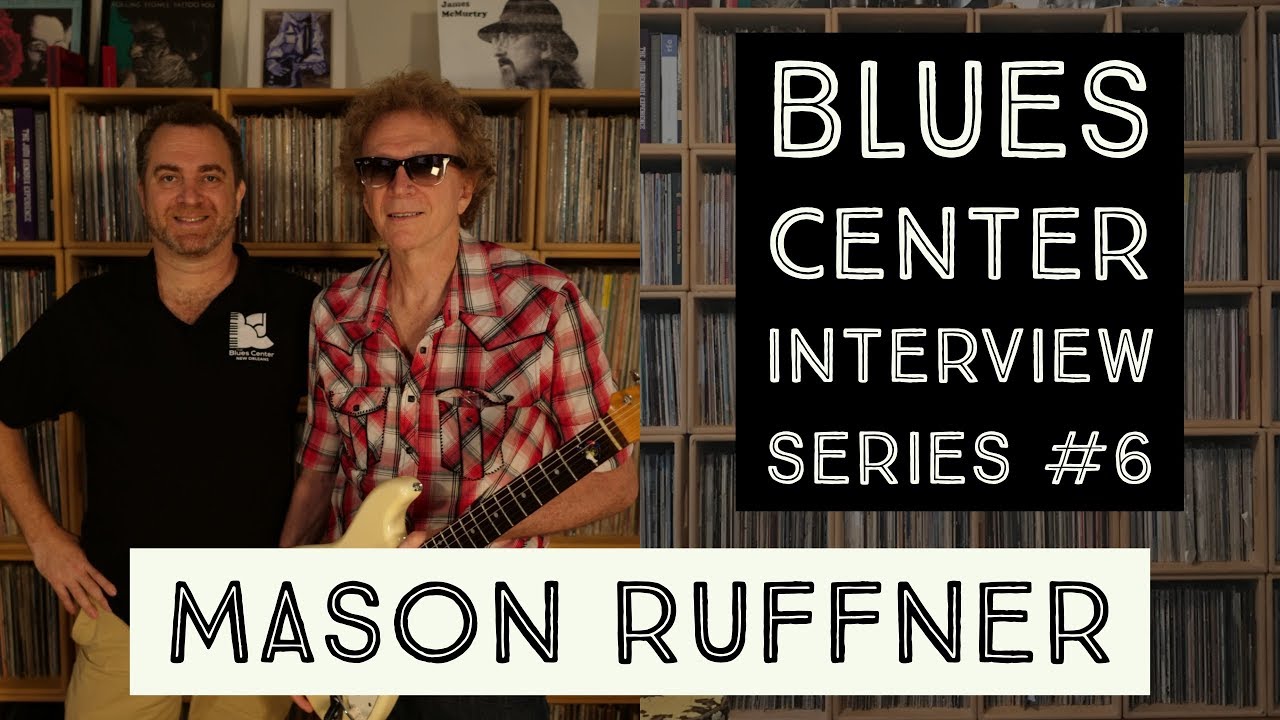
I had interviewed a guy named Mason Ruffner. He's one of Bob Dylan side men. And they did, if you remember the song "Series of Dreams" that was his band. And, he says at one point, I think Bob Dylan's the greatest vocalist ever to make a recording. And I had to think about that because I was like, okay, he's not like an opera voice or, yeah, beautiful singing.
00:47:30 - 00:47:36
Speaker 2
But if the vocal included the authorship, then yes, every human.
00:47:36 - 00:48:08
Speaker 1
Yeah, human. So that's been kind of my watchword in all the projects, whether it was production or songwriting or making records, trying to bring the human element to the form. So like when I was interviewing jazz musicians, my goal was to demystify who this guy is. I mean, you're talking to Miles Davis is this huge reputation that comes in before the man comes in.
00:48:09 - 00:48:34
Speaker 1
But what's the man like? You know, where does that music come from? I mean, there's a commonality by ourselves. We're like a single note together. We're, symphony. We're. We be. People need social, relationships in order to be who they are. We see ourselves through how other people see us. So if we don't have people reflecting us back, we don't even know who we are.
00:48:34 - 00:48:54
Speaker 1
So this whole idea of, commonality, has been what I've been interested in. What I love now is playing gigs. I used to think, oh, man, I got to get on another plane, another bus. So I got to fly over here. I got to do this or that. I know I don't think that at all now. I can't wait to play.
00:48:54 - 00:49:18
Speaker 1
It feels so good to play and to be with musicians. That's the other thing I during Covid, I didn't miss the music. I missed the musicians. I missed the hang with the people. Bottom line, I'm trying to understand the idea of simple pleasures because I think I, you know, if you're lucky enough to get a third act.
00:49:18 - 00:49:44
Speaker 1
And this is clearly my third act, you know, you owe it to yourself to make sure it's the act you want. Because once it's it's over, you got no discussion. So I'm kind of in that cut right now between having a sense of certain kinds of projects and at the same time feeling, the time running out.
00:49:44 - 00:49:53
Speaker 2
I feel like if I was the, the music doctor, I'd say take two. Billy Preston's and call me in the morning. All right, here's the guy who figured it all out. The man around in circles.
00:49:53 - 00:50:15
Speaker 1
I actually agree with you completely. Music is the only thing that gets me out of that funk. And it's the old music that I love when I was growing up. And I think that's true for everybody. They. Everybody loves the music that they heard at the informative time of their lives. Whatever it is.
00:50:15 - 00:50:19
Speaker 2
Yeah, that's the normal. And like Miles Davis would be the. Yeah, the guy who can get away.
00:50:20 - 00:50:38
Speaker 1
The kid keeps getting away for now. Miles, was merciless with himself. He would not, he would contradict himself in order to go forward. You know, he didn't he didn't care. He he.
00:50:38 - 00:50:39
Speaker 1
That was.
00:50:39 - 00:50:44
Speaker 2
It was probably already act three for him when he gets to like, in a "Silent Way" and "Bitches Brew" in the "Jack Johnson" era.
00:50:44 - 00:50:44
Speaker 1
Yeah.
00:50:45 - 00:50:51
Speaker 2
Because he he saw that rock was coming up with Hendrix and Sly Stone. He's like, I gotta get in on this. This rhythm factor in this.
00:50:52 - 00:50:59
Speaker 1
It's exactly what it was. It's exactly what it was. If that's where this thing's going, I'm on it.
00:50:59 - 00:51:11
Speaker 2
So you had a different reaction, though, because you had had a jazz and blues maybe background, but you saw rock. Rock was that you were in a rock band, and then you would still play with them on the records, but gradually you're cleaving away towards jazz at that point, right?
00:51:11 - 00:51:32
Speaker 1
That's exactly right. I thought I, I could not make a decent contribution doing pop music. It was not natural to me like it was to all these other people. I was playing with. I mean, the reason I was playing with them was because I could play piano. And back then it, you know, you were a weird kid if you could play piano.
00:51:32 - 00:51:47
Speaker 1
When I was growing up in the 50s, well, by the 60s everybody wanted to play piano, but they didn't do it when they were weird kids, so there weren't a lot of us around. And so I got to do a lot of recording, but I was not a natural pop style.
00:51:47 - 00:51:49
Speaker 2
In the middle path would have been fusion.
00:51:49 - 00:51:54
Speaker 1
The middle path would have been fusion.
00:51:54 - 00:52:17
Speaker 1
And some of my early records have that sound. I mean, again, when Clyde Stubblefield was here and we were recording together, we would set up a groove. Simple two, three chords, and play it for 20 minutes. And, you know, then a couple of years after that, when disco came out, we went, wait a minute that we've been doing this, man.
00:52:17 - 00:52:44
Speaker 1
We've been playing this groove for an hour. So I liked the idea, but, the, the life around. That's really the thing. You know, I've been very lucky. I've had a great life. I'm having a great life. I have great friends, great, constituents and people to work with and family. And that's very unusual for a musician, because most musicians burn their bridges before they come to them.
00:52:44 - 00:53:10
Speaker 1
So I keep playing. And then when I get in front of people, I'm able to relax and I get to reap the benefits of it. Much more so than when I was pushing product, when I was hustling and pushing product and trying to influence radio or whatever it was. It was heartbreaking times, man. It really is. Because when you're the meat that's in the sandwich, right.
00:53:10 - 00:53:37
Speaker 1
You really don't enjoy the appetite for the food. You're being sold. It's a very uncomfortable. And even if and when you succeed and you get that big hit, your problems just increased. They didn't get solved. They got worse. So, Mose Allison, once said when asked why he wasn't more successful, his answer was just lucky.
00:53:37 - 00:53:39
Speaker 1
I guess.
00:53:39 - 00:53:41
Speaker 2
Great success could kill you to.
00:53:41 - 00:53:42
Speaker 1
Success.
00:53:42 - 00:53:47
Speaker 2
And rock and roll. It did. Yeah. Final thoughts? Any final thoughts? Benedictions?
00:53:47 - 00:53:52
Speaker 1
Final thought. I like your show.
00:53:52 - 00:53:57
Speaker 2
Well, I'm glad we had you on it. So, Ben Sidran, thank you very much for joining us on Soul Country.
00:53:57 - 00:54:02
Speaker 1
Well, Ric, thank you very much. It's a pleasure to be on it.
00:54:02 - 00:54:28
Speaker 2
Soul Country #8 is in the books with special appreciation to Film Delicious Ben Sidran and Reed Mathis for our theme. We wrote it was brought to you by Ace Production and the Blues Center with funding from the New Orleans Jazz and Heritage Foundation. Tune in again for more roots music, culture and lore, and find season two trailers, highlights and playlists, as well as a full archive of episodes at Soul Country Archive.