00:00:00 - 00:00:09
Speaker 1
Do.
00:00:09 - 00:00:27
Speaker 2
First of all, working for Wexler was a gas. You know, I you know, I mean, he's such an icon. And he thought Steve Winwood would be an interesting duet with Etta James. And it was interesting. As a matter of fact, we did nighttime as the right time. You know, because the nighttime is the right time to be with the one you love.
00:00:27 - 00:00:50
Speaker 2
And. And in the middle, you know, she goes, baby, you know, and then and that's in one ear. And then Steve Winwood comes and goes, baby. And I went. I can hardly tell the difference between Etta James and Steve Winwood. And their voice is blended great. And so that was a fun day in the studio to have both, both of them in my head.
00:00:50 - 00:01:14
Speaker 3
Muscle Shoals Swamp Will McFarlane talks and plays Bonnie Raitt, Steve Winwood and Johnny Adams with signature compact licks in soul country number 13. I'm Rick Stewart, a filmmaking DJ in my fifth decade of action, adding some real life podcasts to get deeper into soul country. Good golf, where we corral Americana with a groove curated for classic rock and soul fans.
00:01:14 - 00:01:39
Speaker 3
Listen in as we revitalize our cultural roots in westerns, blues, and variety. Now, a word from our sponsor. Contact Ace Production for Digital marketing, content strategy, and YouTube and podcast production to drive views, engagement and sales. If you need original and effective content. Get ace. Well, we'll unpack the Strat and held forth on Muscle Shoals history and play with soul that.
00:01:39 - 00:02:04
Speaker 2
Was vastly influenced by what was on the radio. And of course, to me between 1964 and 1972, that was the greatest radio, because everything was mixed in together. You know, you'd here Sam and Dave, and then you might hear the Love and Spoonful, and then you'd hear some pop thing like the arches, you know, and then you'd hear sunshine of your love.
00:02:04 - 00:02:27
Speaker 2
And everything was just all mixed in. And so I listened to everything. And I never was really a wide open. I never walked out on stage. I was always the rhythm guitar player and singer. And so I never I played the guitar for seven years for actually took a solo on stage. I just loved R&B soul, man. Hold on, I'm coming.
00:02:27 - 00:02:38
Speaker 2
Knock on wood, that was the stuff that I just fell in love with.
00:02:38 - 00:03:08
Speaker 2
You know, we learn looks like that. And I didn't know what they were at the time. But now, you know, Cropper was a big influence. All the rhythm guys, the guys who did little opening statements, you know, were the ones I always wanted to know about. And. Yeah, but as I said, R&B, I loved Real Country. I when I was a teenager, I got Merle Haggard live in Muskogee, Oklahoma, and Roy Nichols just, you know, took real soon.
00:03:08 - 00:03:37
Speaker 2
You know, just simple melodic. And I heard that quote from Chet Atkins. He said, you'll never go wrong playing the melody. So guys like Roy Nichols were a big influence. And that was straight gut bucket country, you know, that was. But I loved bands like Poco when they came out. I loved the country influence. I'm a Texan by heritage.
00:03:37 - 00:03:42
Speaker 3
The biggest artists in rock history are really equally based on country as much as blues.
00:03:42 - 00:03:43
Speaker 2
Oh, yeah.
00:03:43 - 00:03:54
Speaker 3
And so George Harrison and the Beatles is like, case in point. You know, Chet Atkins, you just said, don't never go bad, restating the melody. George stays really close to that a lot of times and throws on one little variation. And that's the solo. Wow, that was amazing.
00:03:54 - 00:04:15
Speaker 2
And I'm a huge fan of those guys. You know, the simple serve the tune. I became a session guy because primarily I wasn't one of those guys who walked out on stage and took five minutes solo. So it was the guy who do maybe a little turnaround coming out of the bridge, you know? And so, you know, that's what that's what attracted my ear was, was the combination of them all.
00:04:15 - 00:04:35
Speaker 2
Well, you before this interview we were talking about the band and they just blew me away. And it seemed to make sense to me because it was country, but it was not gut bucket country. It was just you heard the influence. You heard the blues influences, you heard, you know, the soul influences and rock and roll influences and country.
00:04:35 - 00:04:44
Speaker 2
They just sort of captured it all. And so the band and by the time I was 19, the band, Ry Cooder.
00:04:44 - 00:04:45
Speaker 3
Jesse had.
00:04:45 - 00:05:06
Speaker 2
Davis, well, freshman weakened at the university I went to very briefly in 1969, brought in Taj Mahal with Jesse, had Davis on guitar, and it changed my life because I was a little shy and didn't want to trust that I could go out and take a long extended solo like, you know, Wheels of Fire or something like that.
00:05:06 - 00:05:27
Speaker 2
But Jesse Ed would just, you know, drifted that bad, did that. Just soulful, simple stuff. And I stole so much from Jesse and Davis.
00:05:27 - 00:05:48
Speaker 2
One time I was, I was doing a session with Roger Hawkins, and he's still my favorite guy was ever in headphones with, you know, I mean, that rhythm section with Roger Hawkins and David Hood and Clayton Ivey mostly was the four of us did all that Malaco stuff and a lot of Malaco stuff. And and Roger, we were playing just a simple demo one day and I was back in the booth playing acoustic guitar.
00:05:48 - 00:06:07
Speaker 2
He was in the next booth. And just to every, I don't know, 16 bars. He'd just do a just a little lift on the. And I started realizing that's what he's doing. And I would go do this just nothing special. But and it sounded so good that day. It was just a little did little fairy dust on the track, you know?
00:06:07 - 00:06:22
Speaker 2
And Roger, who didn't compliment much. One of his philosophies was, if you're here, us because we like what you do, we shouldn't have to tell you you're great all day long, you know? But he looked at me and said, you're playing great today. And I was so calm. I turned to when I just said, I'm just listening to you.
00:06:22 - 00:06:42
Speaker 2
And he said, good players are good listeners, and I still love that, because in a day and age where you can be one soul and cut and paste and you can program a lot of things, unless you're Stevie Wonder, one soul, is it usually nearly as interesting to me as four souls out on the floor and the keyboard player does something and it's a conversation.
00:06:42 - 00:06:58
Speaker 2
You go, oh, you go in there. I'll come over there with you. And to have enough under your hood to respond to the other players in the room, because you're listening, you're not just sitting there thinking, I'm going to get this in on this track. You know, you're you're listening to what everybody else on the floor is saying.
00:06:58 - 00:07:14
Speaker 2
And I love being in headphones with 3 or 4 other guys.
00:07:14 - 00:07:17
Speaker 3
What about mistakes? Do they get incorporated into the final product is a useful way.
00:07:17 - 00:07:32
Speaker 2
Every now and then we'll refer to a happy mistake like you'll be listening to a playback. And at first you think I got there a little early, but 2 or 3 playbacks into it, you go, I like, I like it, and pretty soon you might send a guy back out on the floor to do it with you or whatever.
00:07:32 - 00:07:51
Speaker 2
There, there are times where and the jazz guys say, if you make a mistake, just do it again and then it act like you meant it. You know, every now and then you can not quite pull off what you were going for. But you listen back to it and you go, I don't mind that at all. That was sort of interesting, an interesting compensation when I blew it.
00:07:51 - 00:07:59
Speaker 3
You're playing the Telecaster most of the time and today it looks like a Strat. It is. But how do you end up on the Telecaster? What does it have to offer? What would you say?
00:07:59 - 00:08:11
Speaker 2
Telecasters. You know, a strap looks at you with grace. It almost says, you want to play me, please pick me up. It's more like a dog. Pet me, you know, like.
00:08:11 - 00:08:29
Speaker 2
It's just very sweet to me. I mean, you can make it. You can overdrive anything, Teles, if you don't articulate them well to me, they hurt people. You know, I'm being humorous, but they're so. I mean, you can mix a tele down, put it at 830 in the track and mix it down to one DB and you'll still feel it.
00:08:29 - 00:08:53
Speaker 2
It just somehow occupies frequencies and places that it's alone. And so they're great for cutting tracks. You can be a very low volume. Most of the chimps or chinks that I've done, you know, like on soul records have been on a Telecaster because it's just the classic tune. But it's also, you know, chicken pickin country. But then again, alma K and Earth, Wind and Fire play to Telecaster.
00:08:53 - 00:08:55
Speaker 2
They're great rhythm guitars.
00:08:55 - 00:08:56
Speaker 3
You can do some jazzy stuff to.
00:08:56 - 00:09:04
Speaker 2
The front. Pickup is jazzy. I, I did last $2 for Johnny Taylor on the front pickup of a telecast.
00:09:05 - 00:09:14
Speaker 4
That's to die.
00:09:14 - 00:09:19
Speaker 3
Take me from when you're joining Bonnie Raitt and those years to come into Muscle Shoals.
00:09:19 - 00:10:01
Speaker 2
Well, I did the late for the Sky tour, and then she kept me around for five more years, and we just went all over the world. We did, you know, New Montreal and played the Hammersmith Odeon. And and I think I've been to every state but Alaska and just went all over the world with her. And it was a great, you know, we were doing shows with little feet and, and Tom waits and, you know, just buddy Guy and, and Muddy Waters and it was just, you know, I was 22 years old from 22 to 26 with Bonnie and just you can imagine the schooling the it's like a it's like apprenticing under a master,
00:10:01 - 00:10:26
Speaker 2
you know. And Bonnie's voice was so beautiful. You didn't want to upset it. You didn't want her to go. You know, love has no pride. And you know, you know, and just distract from her amazing vocal quality. And so it was a great way to learn.
00:10:26 - 00:10:44
Speaker 2
Bonnie's a brand to like a Delbert or people like that, that if they do country, it's Delbert. If Bonnie, you know, people say, is she country? And I go, which country? You know, I mean, she's she could sing a country. She could sing Louise, but she could sing, you know, sugar Bomb, rock n roll, R&B, blues. It didn't matter.
00:10:44 - 00:11:06
Speaker 2
It was all Bonnie. She just was a brand. And so I learned so many different styles and moved out to LA ultimately and was doing sessions. And Bonnie got off the road for a year and I went out with the Pointer Sisters. Just how was a hired gun? And I wasn't an A team guy, but I was a guy they might call if they couldn't get James Burton, whatever, because they knew I had a Telecaster.
00:11:06 - 00:11:25
Speaker 2
And so I played on some of the Urban Cowboy soundtrack, and I did other things, and I would go to the Troubadour on Monday nights and just hang with the musicians. And Duncan Cameron was in The Amazing Race Rhythm Aces at the time and had just done a record. Muscle Shoals, he said, I want to introduce you to somebody.
00:11:25 - 00:11:47
Speaker 2
And ultimately it led to meeting Jimmie Johnson of the Muscle Shoals Rhythm Section, and they took me to meet him at a Hotel Sunset marquee, and he said, well, play me something. And so I played him a song I'd written, and he said, well, play me something I don't like. He said, I'd love to demo that. Would you come to Muscle Shoals?
00:11:47 - 00:12:10
Speaker 2
And I went, God, I'd love to, because I knew my actual first real awareness of Muscle Shoals. It all came together in about 72. The Beatitudes album came out by the Staple Singers with I'll take you there and Respect yourself on it, and it just became a morning album for me, like we were waking up as a band and putting on an album, and that was one of the ones we woke up to for a while.
00:12:10 - 00:12:26
Speaker 2
The first time I ever saw pictures of the guys and just realized, wow, you know, it's just a bunch of white guys in Alabama making some of the best R&B in the world, and it just drew me to that. So I already knew about Muscle Shoals when they introduced me to Jimmy. He said, would you like to come down here?
00:12:26 - 00:12:50
Speaker 2
And I was like, well, heck yeah. I drove down here, spent three days. They put a rhythm section together for my demos. It was Roger and David and Clayton and Mac McAnally and Duncan Cameron and Randy McCormick, and just a great. And I just had a great time. I wasn't in a traffic jam for three days and flew back to LA, and the first time I sat in traffic for an hour and a half to go 12 miles.
00:12:50 - 00:13:14
Speaker 2
I just said, this is not living and call. Jimmy said, we love to have you down here. And I moved to Alabama in 1980 and he brought me in. He started stuff. He was he was starting to really want to be on the other side of the glass. Jimmy. And he needed a sort of an alter ego. And he really I mean, I'd done session work and Bonnie Raitt records and some of the movie themed stuff, but he really showed me how to get things on tape.
00:13:14 - 00:13:43
Speaker 2
He really did. He just was patient with me. Get this done, let's double that. Use a thin pick for that brush stroke. Let's let's do this. Let's do that. And just really brought me into the things he produced and had me out on the floor and, and really mentored me in a lot of ways. And I'll be forever thankful.
00:13:43 - 00:14:08
Speaker 2
You know, to me, Muscle Shoals was in some ways very famous or its sound was black artist, white band that the combination was great. And if you talk to Dan Penn and people like that that were around at the time and they say, you know, you know, Martin Luther King was assassinated and it became a cultural serious, you know, wrench in the gears and all of a sudden a black artist might walk in and see a white man and not not want to work that day.
00:14:08 - 00:14:18
Speaker 2
And a lot of times you even stylistically, you'll notice a lot of the black music became more P-Funk or more, you know, moved towards rap and white got just a little wider.
00:14:18 - 00:14:19
Speaker 3
Yeah, more metal in the end.
00:14:19 - 00:14:38
Speaker 2
Yeah, more metal at the end. It became that, which is very mathematical to me. It was like Phrygian mode, 16th notes at 220 and, and so the country sold. You know, I backed up, you know, I've been on stage with Percy Sledge, who's, you know, when a man loves a woman, to me is just as classic country soul as there is.
00:14:38 - 00:15:00
Speaker 2
You know, it's an obvious southern thing to me. The South. Maybe it's the heat, maybe it's the humidity. But there's a tempo down here. It's just back in the pocket. That and and even I'd ask little Milton, I'd say, who'd you really listen to? He said, well, the only radio station we got was WSM. You know, he was listening to country music, trying to bend strings like pedal steels and things like that.
00:15:00 - 00:15:20
Speaker 2
All the black guys were listening to country music, and country guys were listening to blues. And and there's a wonderful combination down here in the South, more than almost any place in the country, because I've lived in Boston, New York and LA and, and D.C. and, and they all have a thing, you know, it's almost like you can say or New Orleans, for example.
00:15:20 - 00:15:32
Speaker 2
But I really think it's a southern thing that that country soul. And it's about my favorite kind of music to play.
00:15:32 - 00:15:39
Speaker 5
Yeah. I'm gonna take all I can take.
00:15:39 - 00:15:51
Speaker 5
And take. Say that you just take, take, take, take take take take take, take.
00:15:51 - 00:15:53
Speaker 5
Shameful.
00:15:53 - 00:15:59
Speaker 3
Like they used to talk about the fatback rhythm, which I think was, was some of that.
00:15:59 - 00:15:59
Speaker 2
Oh, yeah.
00:15:59 - 00:16:02
Speaker 3
And that was maybe circa 1970. That was all over the place.
00:16:02 - 00:16:11
Speaker 2
Well, remember the live King Curtis live at the Fillmore where Bernard Purdie comes in with that drum? And he said, now I need about a half pound of fatback soul. And that.
00:16:12 - 00:16:12
Speaker 1
I got.
00:16:13 - 00:16:29
Speaker 2
That Bernard Purdie drum intro that I put the needle back on about 50 times one day, just laughing. And now I've gotten to play with Bernard a lot and become friends and and he's just a pleasure to know. But yeah, I think of fatback drumming is that, you know, you listen to Roger Hawkins on.
00:16:29 - 00:16:32
Speaker 3
Is that officially behind to beat. Is it like a half beat?
00:16:32 - 00:16:51
Speaker 2
Well, you know what? I heard some of the early Stax Volt stuff they cut without headphones. So if you're 20ft away from the drummer, that's about 15, 20 milliseconds of, you know, you're listening to the drums at the speed of sound. When you're in headphones, you're listening at the speed of light electricity. So if you're 20 milliseconds behind the drummer.
00:16:51 - 00:16:52
Speaker 3
Or you're watching.
00:16:52 - 00:17:11
Speaker 2
It, you're watching a snare hit, but you're going jank and you might just flam with it a little. You might just pull it back just a little. And you listen to Mustang Sally that was cut here. That's Roger, you know, and it's almost all bands out in the world. Do you know they play it too fast, but when you listen to it.
00:17:11 - 00:17:32
Speaker 2
Having sat next to Roger for 20 years and been in headphones with him, Rogers high hat was a metronome. His bass drum was a metronome. But where he dropped his snare, he felt like he was on it, but his natural, he couldn't even be objective about it. His natural thing was just a little back. He just hold it back.
00:17:32 - 00:17:49
Speaker 2
And that's what feels so good. There's a heartbeat in there. There's a, there's a, you know, and and so Al Jackson had the same thing, you know, at Stax Volt. And to me, Al Jackson and Roger Hawkins were two best pure country soul drummers.
00:17:49 - 00:17:52
Speaker 5
Right. Solid rock.
00:17:52 - 00:18:01
Speaker 3
You know, did you ever have an end of recording with Malaco down in Jackson or. They came up here? No. How would you describe that environment? Do you feel a different vibe being down there?
00:18:01 - 00:18:21
Speaker 2
I did feel a different vibe down here, you know? I mean, Muscle Shoals sound was, you know, we had the big Neve console and it was sounded warm and fat. We're in like a really modern room, you know, and and it was just a pleasure to play there. Jackson was a little funkier at the time. You know, your little funky little drum booth you put in.
00:18:21 - 00:18:39
Speaker 2
We were we were out on the floor by then. We had the drums out on the floor, and we get a lot of sort of natural leakage and and down in Jackson, you know, the drums were back in a back in a booth again and, and, and we cut a bunch of stuff down in Jackson and I think I can sort of tell the difference.
00:18:39 - 00:18:41
Speaker 2
For some reason.
00:18:41 - 00:18:46
Speaker 3
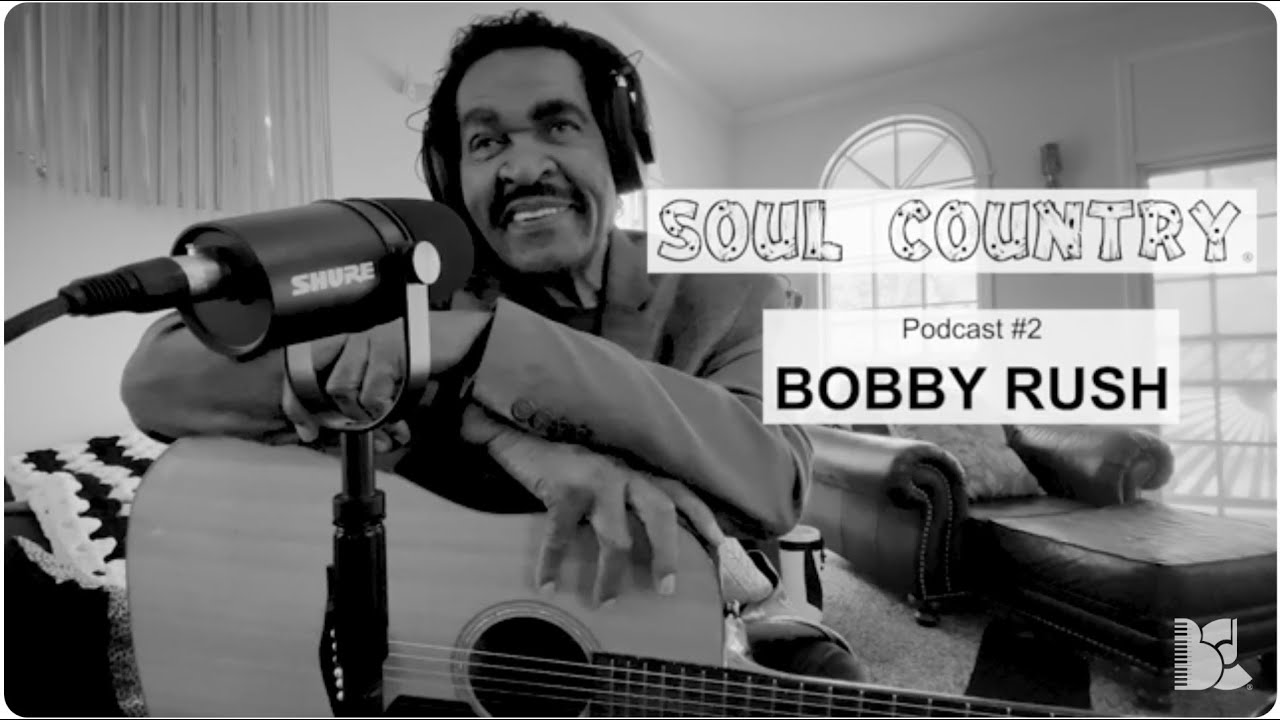
We had Bobby Rush in season one. He's based down there. Yeah.
00:18:46 - 00:18:58
Speaker 2
I did some I did tracks for Bobby Rush.
00:18:58 - 00:19:17
Speaker 2
And I sort of thought of ourselves as like a track factory, like Wolf would come up here from Malaco, from Jackson. He'd say, okay, we're going to cut 25 tracks in the next four days. And six of them are for Bobby Bland, and two of them are for Dorothy Moore and one for Bobby Rush. One. Two for R.D. white, or five for Johnnie Taylor.
00:19:17 - 00:19:32
Speaker 2
And I'm not even sure sometimes what records I'm on. If you really want to know, we just cut tracks and sometimes the artists would show up, like we might cut 3 or 4 tracks and Johnny Taylor come in, and one of my favorite things I ever heard out on the floor is he said, would you go put a scratch vocal on this last?
00:19:32 - 00:19:43
Speaker 2
When he goes, I don't do scratch vocals. He just goes out and hits a master. You know, he's just such a good singer. But but. So I'm not even sure what records I'm on, but but.
00:19:43 - 00:19:46
Speaker 3
Can you play a little bit of that sound or that era.
00:19:46 - 00:19:48
Speaker 2
Something like last $2, you know, was.
00:19:48 - 00:19:54
Speaker 1
It like.
00:19:54 - 00:20:00
Speaker 2
You know, I had to go.
00:20:00 - 00:20:05
Speaker 2
Just real straight blues kind of, you know, things. And then when you go, lady.
00:20:05 - 00:20:11
Speaker 1
At the casino.
00:20:11 - 00:20:19
Speaker 2
You know, just a little tic tac kind of little rhythm stuff.
00:20:19 - 00:20:24
Speaker 2
You know, just real simple.
00:20:25 - 00:20:35
Speaker 3
Those phrases are kind of like call and response to, right? You're like one that opens it up. And when they kind of, yeah, go dot.
00:20:35 - 00:20:38
Speaker 1
Da.
00:20:38 - 00:20:51
Speaker 2
And, you know, a lot of times I just sort of be in the hole after the vocal, you know, if they wanted that, you know, you just sort of play, you know, shoot from the hip and hope it lands, you know.
00:20:51 - 00:20:56
Speaker 3
How did New Orleans and Louisiana music arrive in your scene and what do you feel about that?
00:20:56 - 00:21:17
Speaker 2
As I said earlier, in my young days, my buddy Paul, who had the record collection, turned me onto the meters, and that was Allen Toussaint produced and stuff. You know, we're listening to working in a coal mine and Yaya and and the Lee Dorsey album Yes We Can was a major morning record for us to those early meters records, Cabbage Alley.
00:21:17 - 00:21:39
Speaker 2
Well, I loved everything that came out of New Orleans, and with Bonnie, we played the Jazz Fest a couple of times back in the day, and I would just be when I was offstage, I was in the gospel tent, which was amazing. It still smokes down there or going to the blues ten or whatever. I saw, you know, the Wild Chapter and the and, you know, The Meters.
00:21:39 - 00:22:02
Speaker 2
And Allen Toussaint sat in with us one time and I went down to Tipitina's and George Porter, now in Tucson, sat and with the band, they asked me up and so. And then Bonnie cut. What do you want the girl to do? Or what do you want the boy to do? Is vine did it? But but, you know, knowing that stuff and being on stage with Allen Toussaint and him looking at me going, you know, what do you want the boy to do?
00:22:02 - 00:22:21
Speaker 2
And I want, you know, and just kicked it off, you know, and and getting into jam with George Porter and Allen Seymour. It was just real high points. I mean I love that stuff. They were definitely an influence. And also all that that the Professor Longhair kind of piano playing that Clayton Ivey does so well, you know, to you know.
00:22:21 - 00:22:24
Speaker 1
You know, you know that that.
00:22:24 - 00:22:26
Speaker 2
You know that.
00:22:26 - 00:22:29
Speaker 3
Coming up coming up out of the Caribbean. Yeah. The Professor Longhair.
00:22:29 - 00:22:32
Speaker 2
It has a rumba thing to it, like. And there's a lot.
00:22:32 - 00:22:35
Speaker 1
Of doom, doom, doom, doom.
00:22:35 - 00:22:55
Speaker 2
Doom, you know, sort of rumba stuff. I just sat in on the Sandy beaches cruise, the Delbert Cruise. I just sat him with Wayne Tubes, and they kick into that kind of stuff. Do the dunes, doom, doom, doom, you know, with Squeezebox and just blow you off the stage? I mean, just amazing.
00:22:55 - 00:22:57
Speaker 3
Zydeco could be a heavy blues channel to.
00:22:57 - 00:23:17
Speaker 2
Very much so. You can take a blues solid, almost any zydeco tune, they say, for I'll Take You there. They had just heard reggae, really, they were just being turned on to reggae. And so they had that do do do do do do. And it's not pure reggae. They're not going to do.
00:23:17 - 00:23:45
Speaker 2
You hear the reggae influence and in a lot of ways my playing and they're playing, we never really lived there. We just really enjoyed visiting. You know, it's like we enjoy the influence and if you've got a sort of a reggae influence, but you're playing blues or you've got a country influence, but you're but you're doing little background chimps on the guitar that are sort of chicken.
00:23:45 - 00:23:51
Speaker 2
But it's a country song, you know, and I love the, the crossover. I love, you know, mixing and blending.
00:23:51 - 00:23:55
Speaker 3
New Orleans was the original place that was like that. It was it was the melting pot.
00:23:55 - 00:23:56
Speaker 2
Of very.
00:23:56 - 00:23:58
Speaker 3
Much every kind of boating, you know, arrival.
00:23:58 - 00:24:22
Speaker 2
Yeah. Because they might be playing a like even jazz bands might jam on something like Cissy Strut, which is just to me, it's a New Orleans funk, you know, to do that. But you'll hear Branford Marsalis jam on it or something and just take an outside jazz solo, you know, on a on a track that's pretty inside, you know?
00:24:22 - 00:24:38
Speaker 2
I mean, it's very simple and basic, but all the jazz guys love playing funk, you know, just you have plenty of permission to get his outside as you want.
00:24:38 - 00:24:44
Speaker 2
You know, I like horn parts. I like Mr. Pitiful. You know, if we're going.
00:24:44 - 00:24:57
Speaker 2
The horns go, you know, but also, you know, I divide chords into two notes mostly when I'm in the studio. So if you're.
00:24:57 - 00:25:02
Speaker 2
You know, if you're in that rhythm going.
00:25:02 - 00:25:11
Speaker 2
You know, and you're just sort of fooling around with, you know, a little two stops, you know, and not getting in the way of the vocal or the song, but just snapping it around.
00:25:11 - 00:25:14
Speaker 3
Let's talk about some of the records. I saw that you played on the head of James.
00:25:15 - 00:25:51
Speaker 2
Yeah. Well, first of all, working for Wexler was a gas. You know, I you know, I mean, he's such an icon. And he brought our rhythm section in with Roger and David Clayton, and we cut a couple of tracks with him. Then he kept me around for a couple of days to overdub on some of the other tracks that were cut by, well, Steve Cropper and, and Willie Weeks, and there was another rhythm section there, and I loved having and one of the cool things about some of the tracks I cut with Etta was he thought Steve Winwood would be an interesting duet with Etta James, and it was interesting.
00:25:51 - 00:25:55
Speaker 2
As a matter of fact, we did night time as the right time, you know, because the nighttime.
00:25:55 - 00:25:57
Speaker 4
Is the right time to be with the one you love.
00:25:57 - 00:26:00
Speaker 2
And and in the middle of, you know, she goes.
00:26:00 - 00:26:01
Speaker 4
Baby.
00:26:01 - 00:26:21
Speaker 2
You know, and then and that's in one ear. And then Steve Winwood comes and goes, baby. And I went. I can hardly tell the difference between Etta James and Steve Winwood. And their voice is blended great. And so that was a fun day in the studio to have both, both of them in my head.
00:26:21 - 00:26:25
Speaker 5
All.
00:26:25 - 00:26:32
Speaker 2
Billy Preston was so much, you know, people think of him as, you know, a funk, pop, funk guy, but he could sit in with Oscar Peterson, I mean, Billy Preston.
00:26:32 - 00:26:34
Speaker 3
And he brought the countryside.
00:26:34 - 00:26:34
Speaker 2
He did.
00:26:34 - 00:26:39
Speaker 3
To Bobby Blue Bland. There's another name that really fits this whole country milieu.
00:26:39 - 00:27:01
Speaker 2
I love Bobby, and it's funny story that when I first met him, he had had Wayne Bennett in his band, you know, for 30 years or whatever. And Wayne had just passed and he came to Muscle Shoals Sound to do the next record after Wayne had passed. And they were introducing him around. And this is Roger and this is Dave, and there's your guitar player, and I think I was tuning this guitar and he goes, that's a rock guitar.
00:27:01 - 00:27:20
Speaker 2
And I went, well, buddy Guy plays one. And he goes, that's what I mean. So I cut the whole record with a 335, because I figured he wanted to see f holes in it, and I missed my fenders, you know, on the basic track. So we got along great. We did so much stuff together. And he was amazing to hear your headphones.
00:27:20 - 00:27:37
Speaker 2
And, you know, they don't talk about it much. But Bobby didn't read in time real well. I don't want to blow a cover, but Bob Wilson or somebody like that might be prompting him, and he go. I've got double trouble. And you and Bobby go.
00:27:37 - 00:27:39
Speaker 4
I got double trouble.
00:27:39 - 00:28:00
Speaker 2
You go tween my woman and my wife, tween my woman. And you know, he would just answer with soul right behind just getting prompted the lyrics and just amazing to watch.
00:28:01 - 00:28:11
Speaker 2
Oh we did members. We did stuff that was three chord songs, but we did Memphis Monday morning. That was like almost just big band jazz. Like, he could he could do anything.
00:28:11 - 00:28:16
Speaker 3
Little Milton's also in that bag though, the country, soul, soul, country. What was it working with little Milton?
00:28:16 - 00:28:36
Speaker 2
I told you a little Milton and I got along. He requested me at times where. And actually, I remember one time they wanted him to cut a B.G. song that was you Don't Know what it's like to love Somebody. So little Milton does a version of it, but he had never heard the song, so they sent me out on the mic to do a rough vocal for him.
00:28:36 - 00:28:56
Speaker 2
So Milton and I got along great, and he's he's the one I said, who'd you really listen to? And he said, country. He had a country radio station that they called the Skip on and, and T-Bone Walker. But I loved Little Milton. As a matter of fact, he let me play his guitar on one of the tracks, and it was just this old 59.
00:28:56 - 00:29:13
Speaker 2
Three. 45. You know, they've been reflected so many times. They were almost down on the truss rod, you know, and and I was playing it for its light and just saying it was just a great guitar. And I said, Milton, I hope you live till you're 120, but I'll be 110. I'd like to be in your will. And he went, get in line, son.
00:29:13 - 00:29:33
Speaker 2
But we shot, pulled together and had a great time together. He at one point to me was sort of the elder statesman of that whole. He was, you know, he just carried a torch in a lot of ways for, you know, the old country sold well. And also I was huge when I saw Taj Mahal that first weekend.
00:29:33 - 00:29:37
Speaker 2
Taj, did you know?
00:29:37 - 00:29:44
Speaker 2
Stuff like got it bad long whistle baby.
00:29:44 - 00:29:49
Speaker 6
Got it burned. Mahoney got a bird with sing.
00:29:49 - 00:29:53
Speaker 6
Baby. Got a bird. Mahoney got a bird will sing.
00:29:53 - 00:30:00
Speaker 2
You know what I mean? It's just Mississippi John Hurt kind of finger playing, but it's it's country and it's.
00:30:00 - 00:30:02
Speaker 3
You don't need a band when you can do it all.
00:30:02 - 00:30:23
Speaker 2
No, he just does it all, you know, he sits there, finger picks and and he's a he's an ethnomusicologist. So he knows every style of everything. And talk about a blend, you know, like a Taj Mahal record might have everything from, you know, Latin, Caribbean to eight tubas.
00:30:23 - 00:30:27
Speaker 3
And very well preserved in that Rolling Stones Rock and Roll Circus with Jesse Davis.
00:30:27 - 00:30:31
Speaker 6
Ain't that a lot of love to hearts to have and hold.
00:30:31 - 00:30:56
Speaker 2
You know, tom toms with Jesse Davis was at that point one of the most influential. I just never heard anything like them. And it was all totally roots based. And it covered a lot of ground, and they played for a couple of hours, and I was 17 years old and just like. And then at 19, he did a guitar clinic at a folk festival in DC in the DC area, Wolf Trap.
00:30:56 - 00:31:16
Speaker 2
And I just sat at his feet and he would just go, you know, Elmo James played 12 bars and big Bill Broonzy and played 12 bars and and so and then he opened for Bonnie one time and came out on stage with us. And I got to stand next to him and just feel how incredibly musical and soulful that dude is.
00:31:16 - 00:31:26
Speaker 2
Big fan. You know, they about half of every Bob Seeger's album for about ten years was done down here. And you can hear the influence.
00:31:26 - 00:31:40
Speaker 5
Put your hand on your hip and let your back go sit through the what you said, my little dude said.
00:31:40 - 00:31:51
Speaker 5
The singing. What you doing? Here we go. Na na na na na na na na na na na na na na na na na na na na.
00:31:52 - 00:32:08
Speaker 3
You can't. A little bit of the history of Muscle Shoals is sort of most noted guitar players, and I put down Duane Allman and Jimmy and Pete Carnegie Hinton, and I put Wayne Perkins and Leonard Skynyrd in there. Might as well. Was there a torch being handed off or an evolution of a style or.
00:32:08 - 00:32:28
Speaker 2
Well, yeah. When I first did move here, you know, Jimmy would say, can you twin this, can you take a twin? Because Pete car was so quick at doing twins. And of course, Duane did that with the Allman Brothers. And and that was one of the mentalities that I had to get my get on my game with. I can't really do it here, but if I do, you know, let's say.
00:32:28 - 00:32:32
Speaker 2
Something like a then the twin.
00:32:32 - 00:32:34
Speaker 6
Would.
00:32:34 - 00:32:39
Speaker 2
You know, I play a harmony with it and the two of them together sound like.
00:32:39 - 00:32:51
Speaker 2
Except it's two guys really doing it. And so it's here, you know, like on Jessica. But you know, one guy is going.
00:32:52 - 00:32:57
Speaker 2
Whatever. And one guy is going.
00:32:57 - 00:32:58
Speaker 2
Something like.
00:32:58 - 00:32:59
Speaker 6
That.
00:32:59 - 00:33:03
Speaker 2
Or whatever.
00:33:03 - 00:33:19
Speaker 2
You know, there's all three parts there, and you know, you get three guitar players and doing all three parts and, and that's twin stuff. You know, that's what I call twinning. And and Pete Carr did that. Great. He did the Tonight's the Night with Rod Stewart. That twin guitar stuff at the end.
00:33:19 - 00:33:21
Speaker 6
We do do do do.
00:33:22 - 00:33:31
Speaker 2
Do whatever. You know he go. And then the next one.
00:33:31 - 00:33:35
Speaker 2
Or whatever, you know and that you know you can hear Pete doing that.
00:33:35 - 00:33:41
Speaker 3
Leonard Skinner. So they were in and out of town in their earliest days, and then they came back and recorded some in the mid 70s.
00:33:41 - 00:33:53
Speaker 2
Yeah. And by then Hughie was in the band, Hughie Thompson from the outlaws. And, but they still had Leon and Billy Powell and Gary Rossington. I was hanging around some of those sessions, you know.
00:33:53 - 00:34:10
Speaker 3
And how would you describe where Skinner did take in their guitar playing versus where the Allman Brothers had had it, which also that that the the Allman Brothers style Duane thinks of while he's here in Muscle Shoals on the Wilson Pickett and the and then the boss gig era like 68 ish. Before they get to that together.
00:34:10 - 00:34:16
Speaker 2
I've heard a lot of people consider the end of Hey Jude as the beginning of southern Rock.
00:34:16 - 00:34:21
Speaker 3
Flipping the dial. Now to the TV set. What are some of your favorite Westerns of all time?
00:34:21 - 00:34:40
Speaker 2
Well, I know it's a modern one, but I love Silverado. I just love Silverado. I love Danny in that. I love Kevin Kline, that when he's in jail and they're going to hang in the next morning and he goes, he goes, is so-and-so alive? He goes, yeah, made it out by the skin of his teeth or something like that.
00:34:40 - 00:34:43
Speaker 2
And he goes, lucky. And he goes, yeah, everything's working.
00:34:43 - 00:34:45
Speaker 6
Out just fine.
00:34:46 - 00:34:55
Speaker 2
He's gonna get hung in the morning. You know, Silverado is great, but I love all the I love Fistful of Dollars. Just watch the good, the bad and the ugly. Channel surfing the other day.
00:34:55 - 00:34:56
Speaker 3
Yeah. That's the higher budget one.
00:34:56 - 00:35:07
Speaker 2
Yeah, the higher budget one. Just watched it the other day. Of course. Outlaw Josey Wales man, that's dark. And I love John Wayne. I love him and Maureen O'Hara together.
00:35:07 - 00:35:08
Speaker 3
Really old ones.
00:35:08 - 00:35:12
Speaker 2
Yeah. So I really liked McClintock.
00:35:12 - 00:35:15
Speaker 3
And that was the end of the era.
00:35:15 - 00:35:25
Speaker 2
Yeah, it was the end of the era, but but I, you know, that's what I grew up. That's, that was my age group and and I love Stagecoach. I love some of the early stuff. I love The Searchers. He's a little dark in that too.
00:35:25 - 00:35:29
Speaker 3
But those are all time masterpiece. John Ford yeah, yeah.
00:35:29 - 00:35:34
Speaker 2
The man who shot Who Shot Liberty Valance was great. Jimmy Stewart was great in that.
00:35:34 - 00:35:55
Speaker 3
Yeah, I've been getting into the Jimmy Stewart early mid 50s with Anthony man. So there was naked spur and bend of the river and. Yeah. But Anthony. Winchester 70. Yeah. Yeah he could do the black and white like nobody out there.
00:35:55 - 00:36:27
Speaker 2
I become part of a group with John Cowan and Andrea Zorn, who are calling themselves The Herculean. And it's like electric bluegrass, but it's not fast bluegrass. It's it's really good songs and really interesting. I went to see them and sat in when they had Dan Penn as their guest artist, and I'm going to do a little playing with them, but just seeing them when I first saw them singing was so good, really good.
00:36:27 - 00:36:47
Speaker 2
I love the Mavericks too. I love Raoul singing. He was just such a crooner and really like them. I've always loved Delbert McClinton, always. I just saw Bonnie again and she invited me out. I did some of the encore with her and she's still singing.
00:36:47 - 00:36:48
Speaker 6
So well.
00:36:48 - 00:36:55
Speaker 2
I mean, just kill her band. I mean, she's great. She may be the best interpretive singer of my generation.
00:36:55 - 00:37:00
Speaker 3
Looking towards the future and legacy. How would you like to be remembered?
00:37:00 - 00:37:01
Speaker 6
Well.
00:37:01 - 00:37:29
Speaker 2
I'd like to be remembered as somebody who was easy to get along with when we cut tracks and they liked having around. And also just somebody who served the song, somebody who, you know, learned his craft and listened well and tried to do something that would be memorable. You know, it's a hard thing to think about. You know, I think I think the studio family is is a really interesting family of people.
00:37:29 - 00:37:44
Speaker 2
We sort of all know what each other does, and we all listen to each other and find out who played. You know, from the very beginning, when you got an album, you put the record on and you'd you'd read the liner notes and see who the little names and small print were, and you wondered who those people were.
00:37:44 - 00:37:58
Speaker 2
And now that I've had the chance over the last 50 years to meet a lot of them, I consider myself in some pretty rare air. You know, I've gotten to play with some of my heroes, and I've gotten to be on tape with some of my heroes.
00:37:58 - 00:38:08
Speaker 3
How did you balance like the I guess, obviously with the studio kind of job, you're planted somewhere versus touring, and did you have them going on and competing for your time.
00:38:08 - 00:38:24
Speaker 2
A little bit? Back in the early days with Bonnie, we were going a lot, and I think I wanted to. One of the great things about Muscle Shoals is I could come down here and make music not being a traffic jam. I mean, I jokingly say, you know, I raise my kids in this town. I was a little league coach for eight years.
00:38:24 - 00:38:45
Speaker 2
You know, I could get out of a net a James session, be standing on third base in ten minutes, you know, coaching Little League. I couldn't do that in LA. I couldn't do that anywhere else. So Janet and I were going to have our 50th anniversary in June. I mean, it probably kept my family together to be home more, to be it to to be more of a session guy alive guy.
00:38:45 - 00:39:05
Speaker 2
I did a session with Levon Helm one day, cut tracks and then sat and overdub. He gave me some. He's another one of my favorite days in the studio where he was playing mandolin and I was playing bottleneck and and he'd say things like, I'll tell you what, we'll I'll take the intro. You take the first verse. After that, it's every man for himself, you know, and stuff like that.
00:39:05 - 00:39:07
Speaker 2
And you know.
00:39:07 - 00:39:10
Speaker 6
You will be. Last night you were.
00:39:10 - 00:39:10
Speaker 2
Talking.
00:39:10 - 00:39:27
Speaker 6
In your sleep. Sounded like you're wondering if I loves going to keep baby. Can't you see ain't nobody loves you like me.
00:39:27 - 00:39:46
Speaker 2
Just some I wrote that I thought I'd try to pitch, pitch? Levon and he passed before I got it to him. And I guess if I were to say anything, I'd say if you got a dream out there and you got something you want to do, there are no guarantees and you might as well just go for it, because, you know, there are no guarantees for tomorrow.
00:39:46 - 00:40:10
Speaker 2
And I didn't get it to him before he passed. And I wanted to write some sort of bandish. And so I've been writing more, but I play about one tenth as much. And, and, you know.
00:40:10 - 00:40:14
Speaker 2
Just try to touch it sweetly and make sense these days.
00:40:14 - 00:40:21
Speaker 3
Final thoughts here on the Muscle Shoals exhibit. And the shows up there just a month or two ago.
00:40:21 - 00:40:43
Speaker 2
That was great. I ran into Michael Gray, who works at the Hall of Fame, up there at a Dan Penn and Spooner show here in town, and we just were eating dinner together after the show, and Dan was there, and I played with Dan a lot, and and it's one of the biggest compliments I've actually ever gotten is that he used Reggie for 55 years.
00:40:43 - 00:40:59
Speaker 2
And when Reggie passed, he called me to do some session work with him, and we become really good friends and we're all eating dinner. And they said, this is what we're doing. We got this show and we need a band. Would you put a band together for us? So I put the band together, just called All the musicians, basically, and said, how'd you like to do this?
00:40:59 - 00:41:19
Speaker 2
And let's do it. And then they picked the artists, and the artists picked the tunes. And so it was like trying to find out what to do when and and pulling it all together and figuring out parking. And the next thing you know, your phone's blowing up. And where do I park and what do I do? And you realize being a bandleader is like herding cats.
00:41:19 - 00:41:39
Speaker 2
We pulled it off, you know, and we're very highly complimented and honored by them to, to to do what they're doing right now and say, you know, there's, there's there was a lot going on down here in Muscle Shoals. And let's chronicle it and let's pay homage to it. And so we're pretty honored by that.
00:41:39 - 00:41:51
Speaker 5
I know I would die hey. And all the ones in our words, I just pretty impressive.
00:41:51 - 00:42:04
Speaker 3
We also saw Jason Isbell just a night before he did like better Move On, Wild Horses and Kodachrome. But great interpreter of the classic rock. Yeah. Cannon. Yeah.
00:42:04 - 00:42:29
Speaker 2
Yeah, well, he grew up right up the road, you know? And matter of fact, it's interesting. Here we are at Single Lock, I think John Paul and Jason Isbell and Gary Nichols, they all grew up around here. They're all Grammy winners and came out of a little green Hill, Alabama, just just north of us here. And it's pretty remarkable that, you know, some people say the music's in the river, that it's a singing river.
00:42:29 - 00:42:46
Speaker 2
But I know one thing that that they grew up surrounded by people that didn't think it was weird if they wanted to be musical. And, you know, you can't always find that, you know, a lot of people all my life, you know, I'm a son of a naval officer. And it was like, I want to play music. Well, what are you what are you going to get for a real job?
00:42:46 - 00:43:01
Speaker 2
You know, and down here you say, I want to play music. They go, oh, that's great. Do you know so-and-so? Do you know so and so? Because there's an open door down here and there's a lot of community in it, too. There are a lot, you know, our kids know each other. You know, the next generation knows each other.
00:43:01 - 00:43:22
Speaker 2
I mean, some of these guys like Gary Nichols or whatever, or my son, I coached in Little League or I was out on the Little League field with. And so I've known him all their lives and and actually was instrumental. Jimmy asked me who I might recommend for the next generation coming up, doing a session over on guitar, and I recommended Gary, and he did his first Muscle Shoals Sound session on my recommendation to Jimmy.
00:43:22 - 00:43:44
Speaker 2
And so we've got a long history in each generation. And now Gary's son is a really excellent guitar player and he's playing with his dad. My son is an excellent bass player, studio, you know, player. And and so the next generation all knows each other to and and it's a community. It's not just, I don't know, a diva in this town.
00:43:44 - 00:43:49
Speaker 2
I don't know anybody that would dissuade you from wanting to follow your dreams.
00:43:49 - 00:43:53
Speaker 3
Yeah, that's a great thing. Well, I want to thank you, Will, for coming by Soul Country.
00:43:53 - 00:44:12
Speaker 2
Well, it's my good pleasure. I appreciate being asked.
00:44:12 - 00:44:32
Speaker 7
Soul country number 13 is in the books with special appreciation to Will single Loc records, the Country Music Hall of Fame, and Reed Mathis for our theme song, we Ride 13 was brought to you by Ace Production in conjunction with the Blues Center and with support from the New Orleans Jazz and Heritage Foundation. Tune in again for more roots music, culture and law at season four.
00:44:32 - 00:44:42
Speaker 7
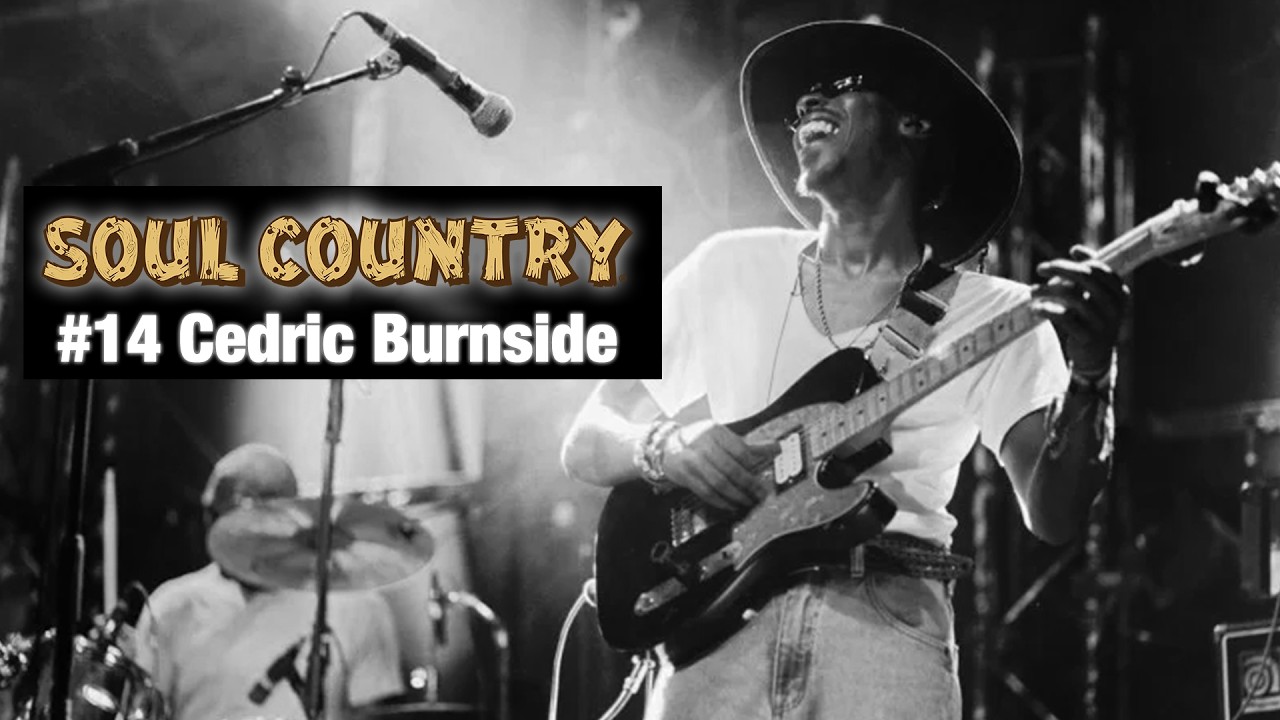
Ropes in Grammy winning bluesman Cedric Burnside and find trailers, highlights and playlists, as well as a full archive of episodes at Soul Country.
00:44:42 - 00:44:42
Speaker 8
Airways.